
165 Years of red funnel
For 165 years, Red Funnel has been at the heart of life on the Isle of Wight, connecting communities across the Solent and evolving alongside the region it serves. As the Island’s original ferry, our history reflects shifts in travel, technology and society, underpinned by a deep commitment to reliability and community spirit.
Early Origins (1820–1861)
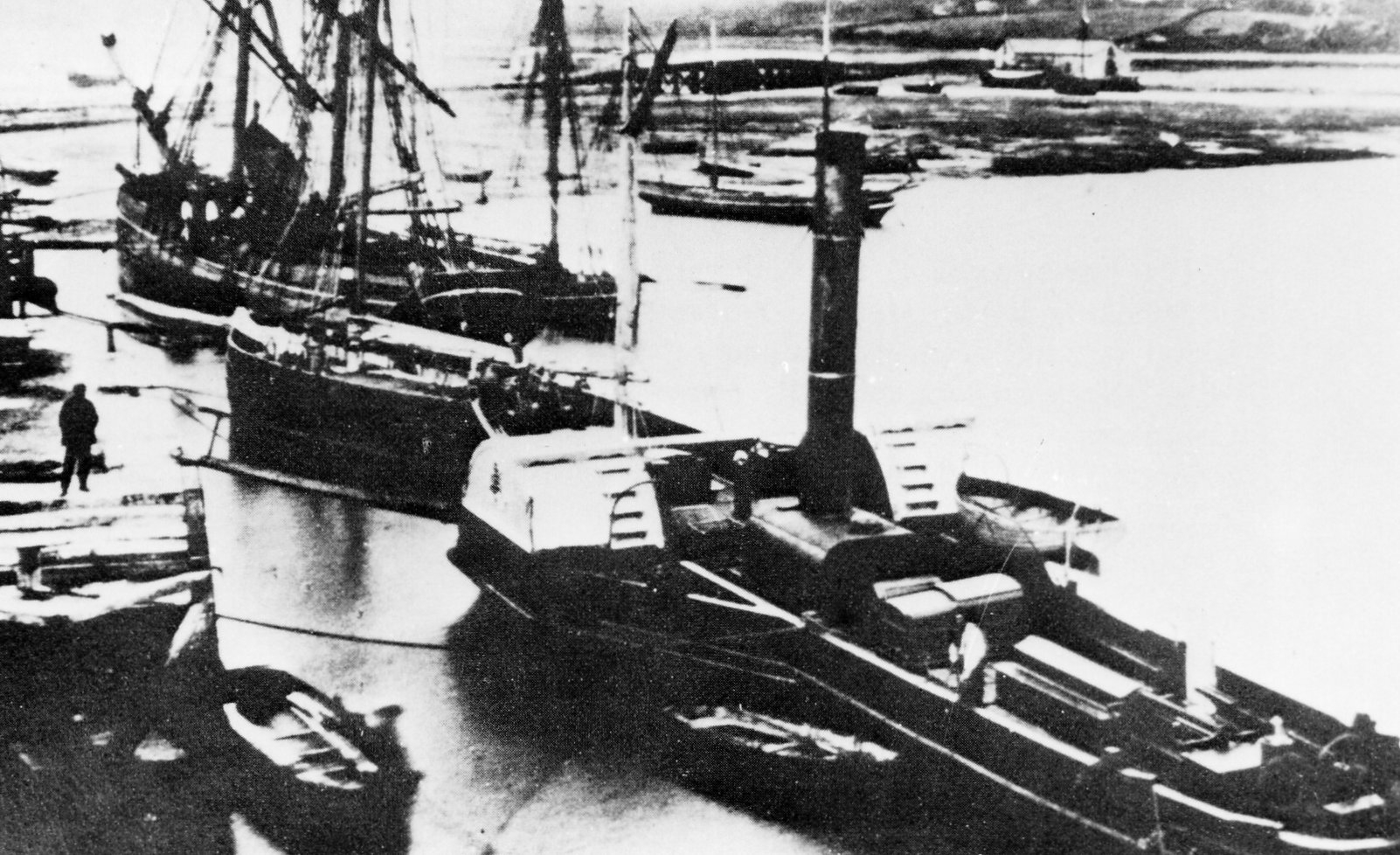
Our story began long before our official incorporation, with our company operating scheduled steam packet services from 1820. These early connections linked Southampton with Cowes, Ryde, Southsea and Portsmouth Harbour, forming the backbone of a developing transport network that would become vital to the Isle of Wight.
Competition among operators eventually led to the formation of The Southampton Isle of Wight and South of England Royal Mail Steam Packet Company Limited, officially registered in 1861. The name remains the UK’s longest-registered company title. Our house flag, inspired by early steamers: Sapphire, Emerald, Ruby, and Pearl, continues to fly on today’s vessels.
Growth in the Victorian & Edwardian Eras
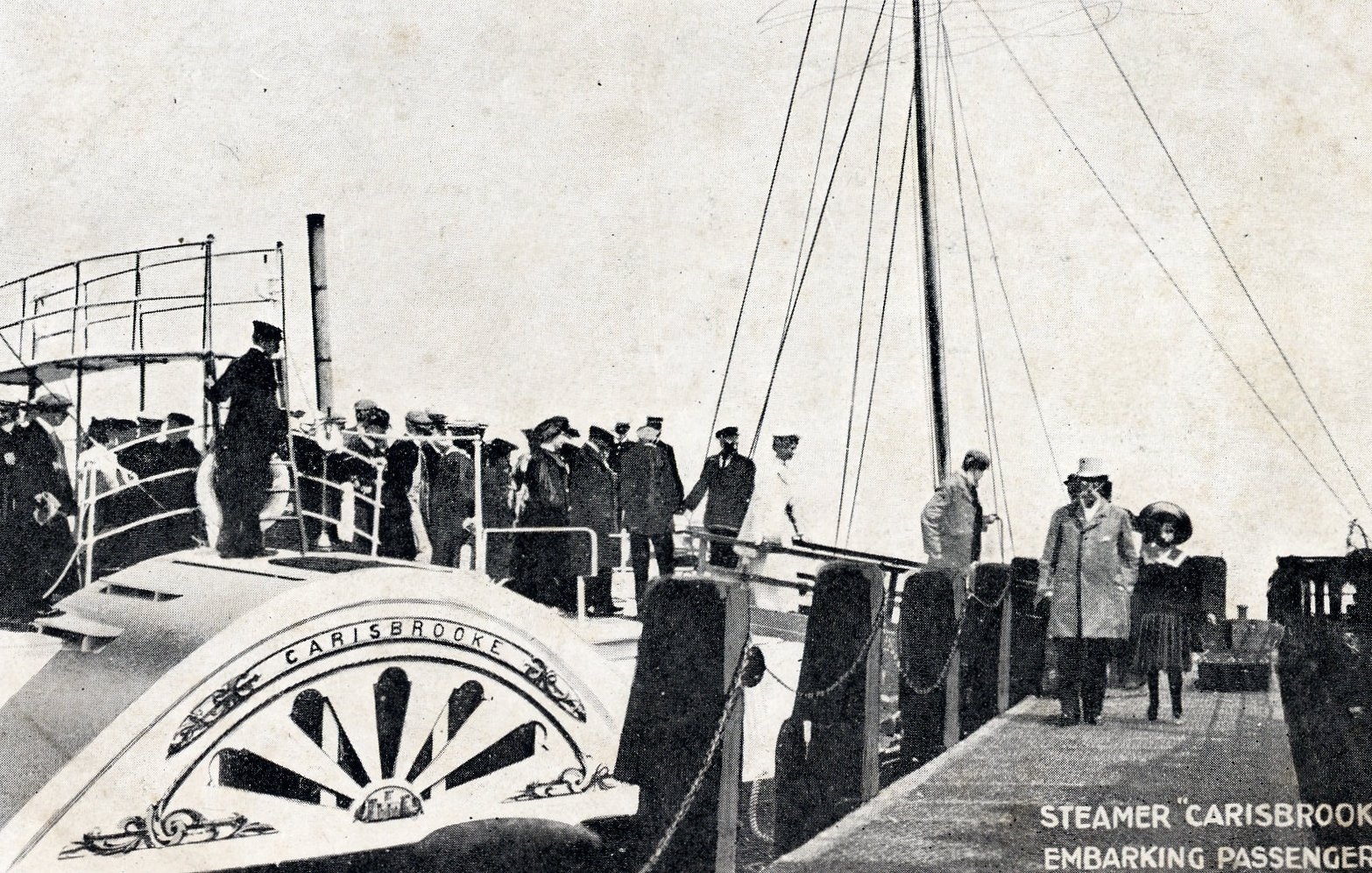
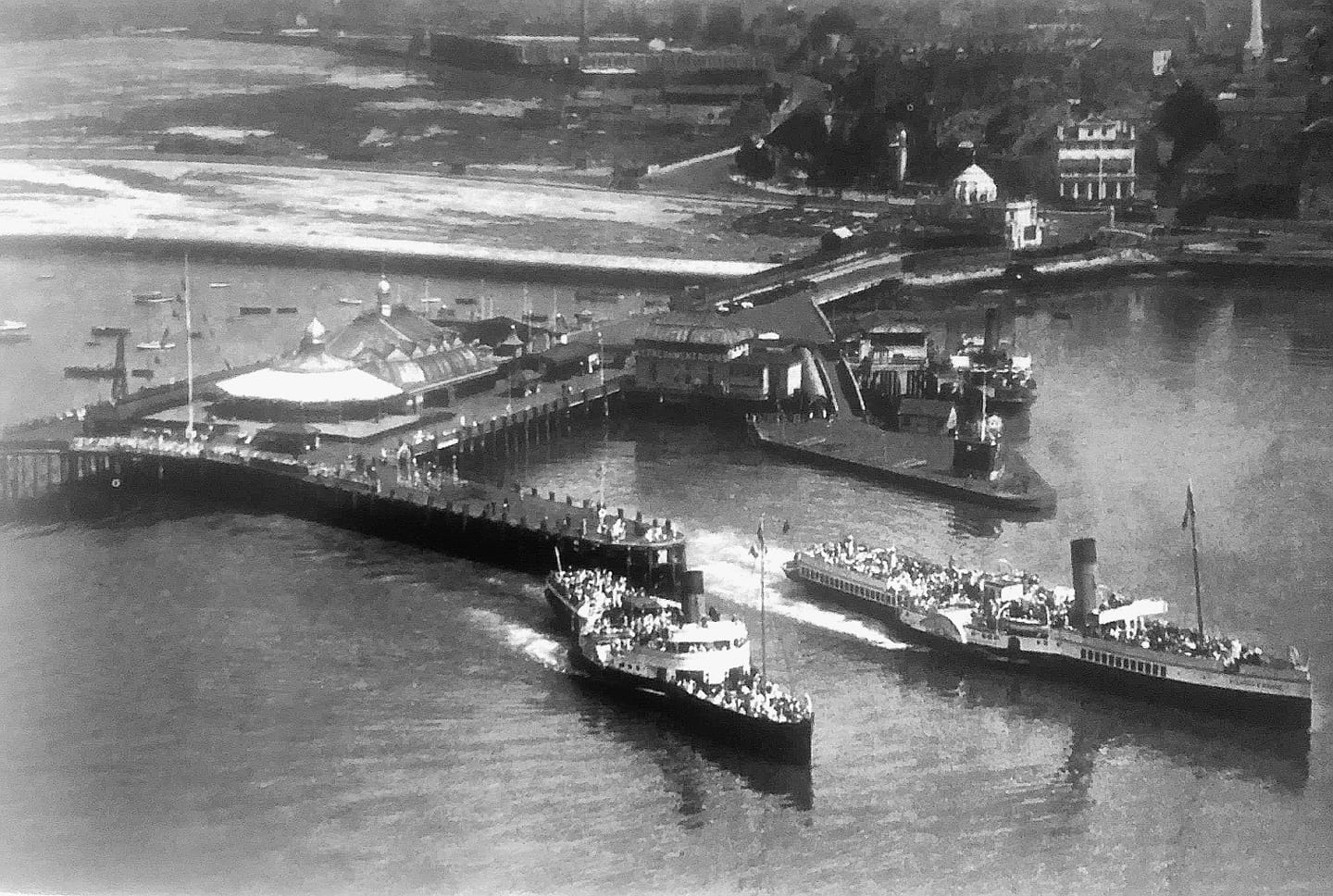
During the Victorian and Edwardian periods, Red Funnel emerged as a major player in coastal leisure travel. Excursion steamers carried holidaymakers along the south coast and across the Channel, providing affordable day trips for a growing middle class. At the same time, Southampton’s prominence as an ocean liner port propelled us into a crucial logistical role.
From 1885, we expanded into tug ownership, enabling us to support the world’s largest passenger ships. Red Funnel’s tugs and tenders transported people and luggage between anchored liners and the shore before deep water docking became the norm. This dual role, providing leisure travel and supporting ocean liners, deepened our integration into the region’s maritime life.
Supporting the Titanic
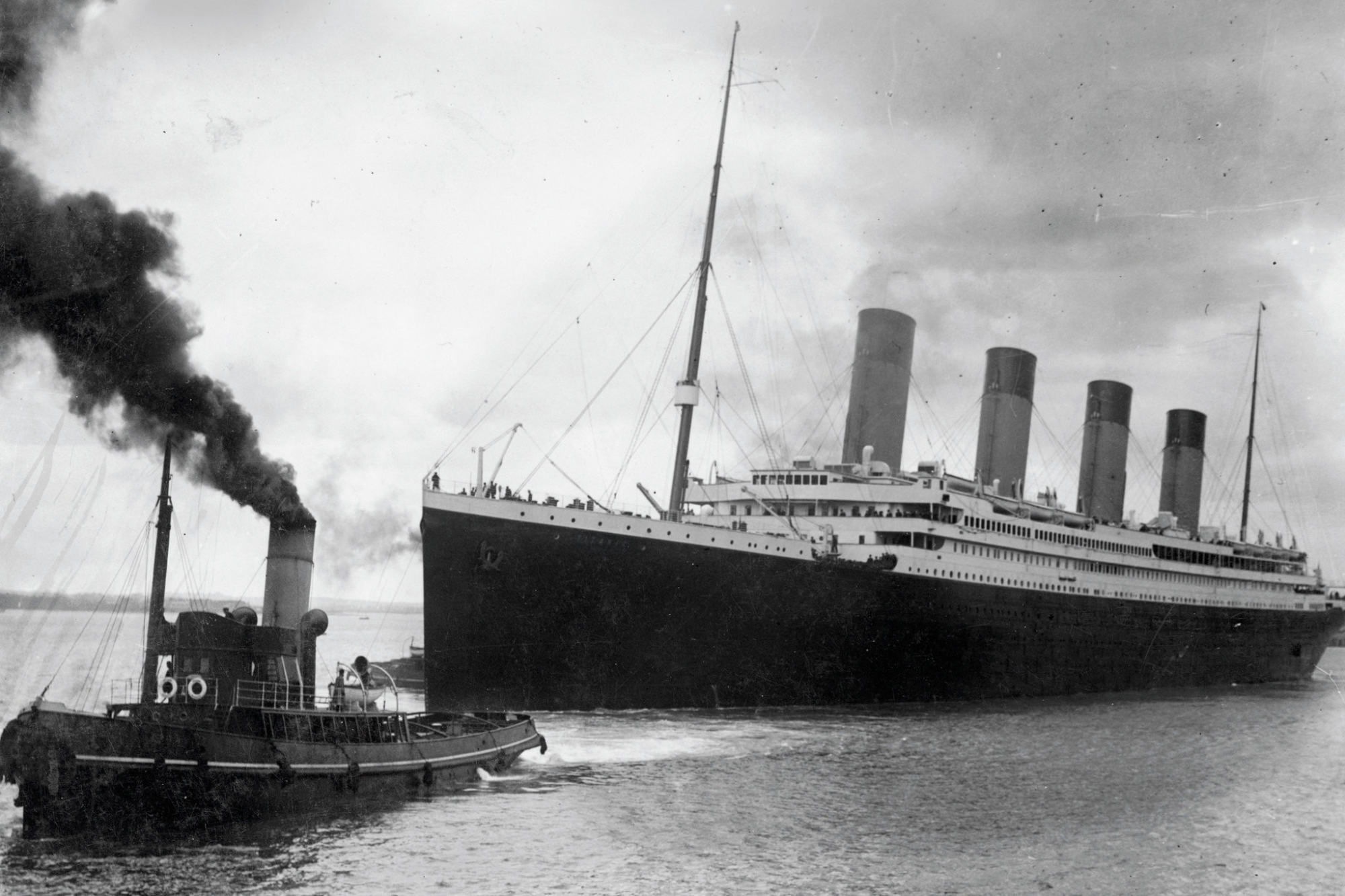
Red Funnel’s tug fleet played a quiet but notable part in maritime history on 10 April 1912. Six of our tugs, Neptune, Hector, Hercules, Ajax, Vulcan, and Albert Edward, assisted RMS Titanic in departing Southampton for her maiden voyage. Captain Gale of the tug Vulcan intervened to prevent a collision when the nearby SS New York broke free of her moorings, averting an early disaster.
Challenges in the 20th Century
Both World Wars drew heavily on our resources. Several vessels were requisitioned, with many lost in service. Ships took part in minesweeping operations and the Dunkirk evacuation, where the Gracie Fields alone rescued more than 1,000 troops before being bombed on her return. Other vessels, including the Duchess of Cornwall and Her Majesty, were damaged or destroyed in wartime action, and company facilities such as our head office catering store were also lost.
In peacetime, Red Funnel continued to modernise. The arrival of MV Medina in 1931, our first diesel ferry, ushered in the era of more efficient, purpose-built vehicle ferries. In 1935, the now iconic black-topped red funnels were introduced.
Post-War Innovation and High-Speed Travel
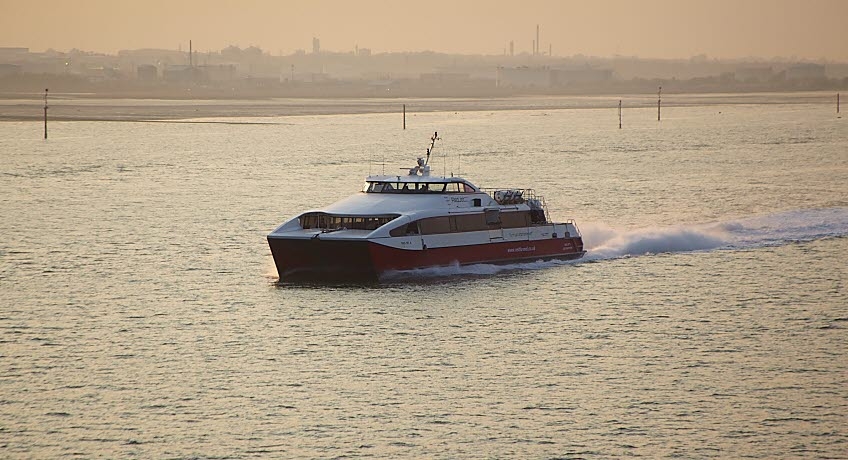
After the war, rising car ownership transformed cross-Solent travel. We invested in new vehicle ferries and later became a pioneer in high-speed craft. Hydrofoils such as the Shearwater series of the 1960s and 1970s paved the way for fast modern services, before the launch of Red Jet 1 and Red Jet 2 in 1991 introduced waterjet-powered travel, dramatically speeding up journeys for commuters and visitors.
The next chapter sees us preparing for an all-electric foiling vessel which will become the first zero emission ferry to operate between the South Coast and the Isle of Wight. Developed by Artemis Technologies, this cutting-edge craft will rise completely out of the water on foils, delivering faster, smoother journeys from the mainland to the Isle of wight.