

Where the sun shines that little bit longer....
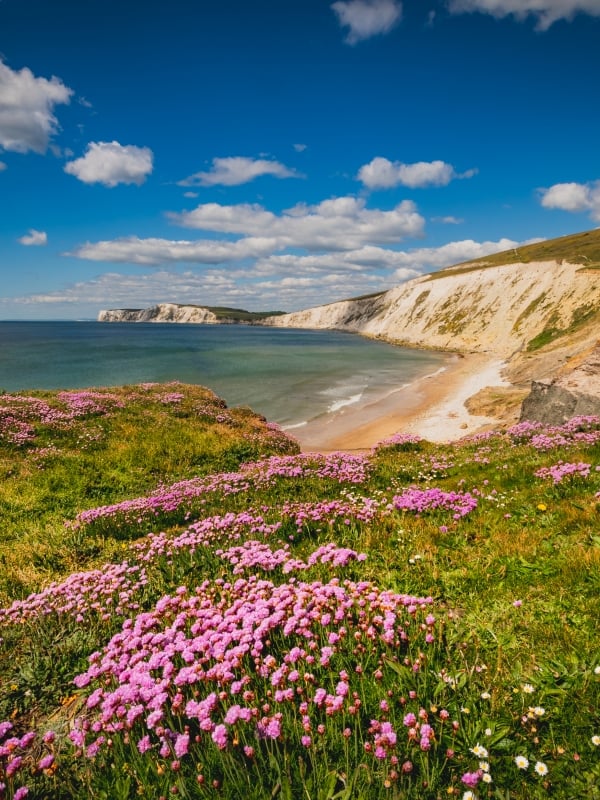
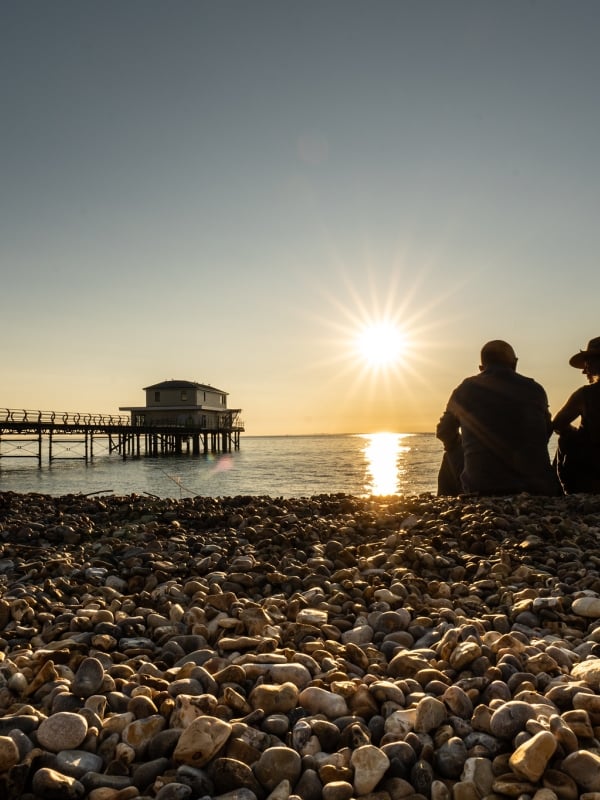
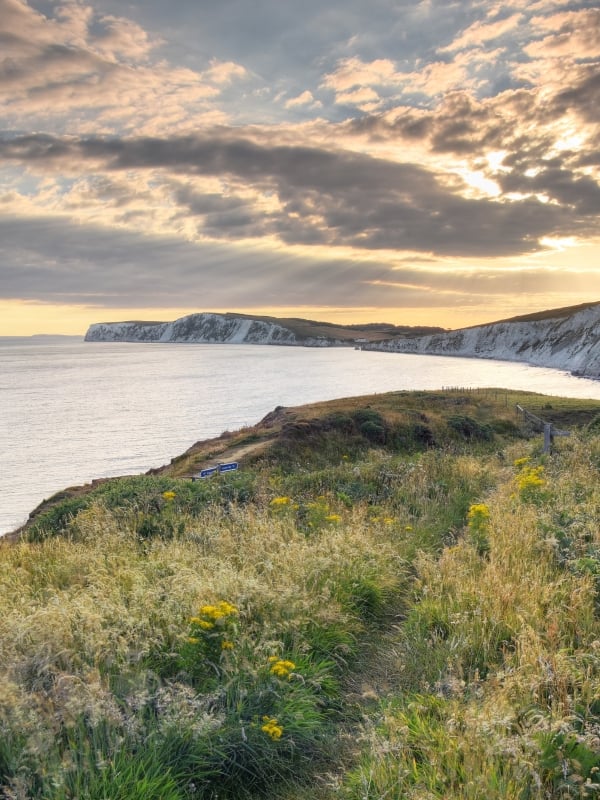
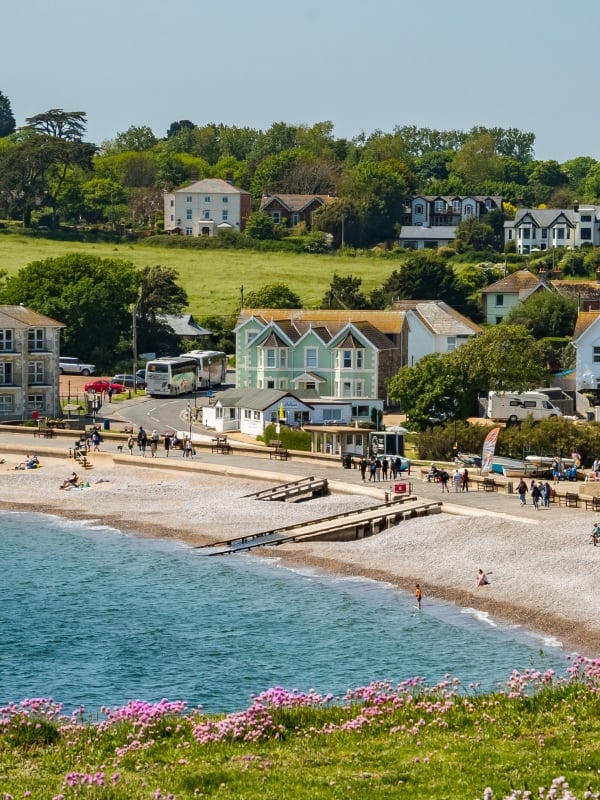
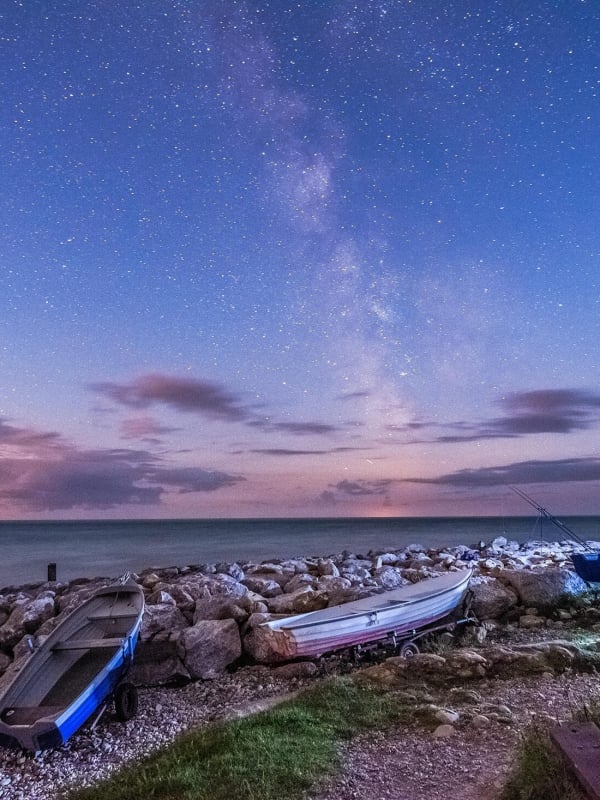
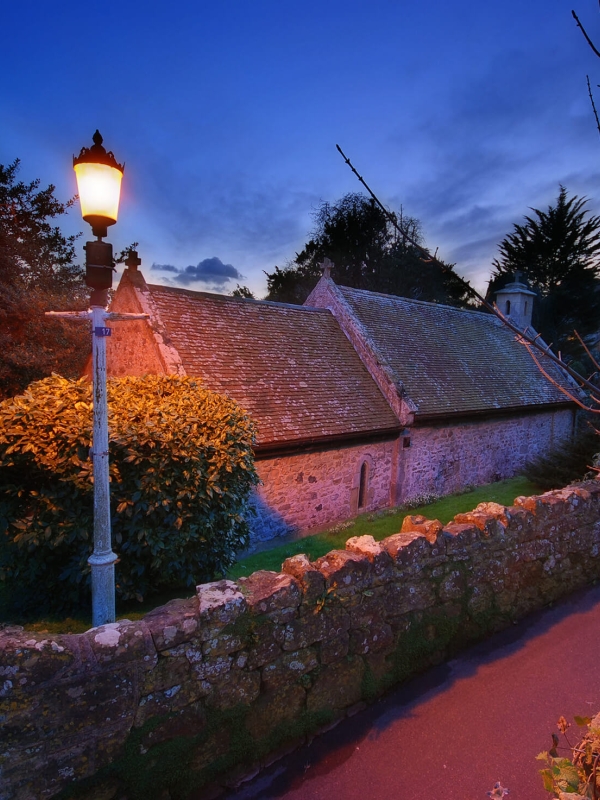
Sandy beaches, dramatic coastlines, rolling countryside, dazzling dark skies and charming villages; the Isle of Wight packs a lot of adventure, culture, and natural beauty into its modest size. Within an hour’s drive time, you can bask on 25 different beaches, visit more than 50 attractions, and experience the UK’s favourite Island holiday destination from end to end.

things to do
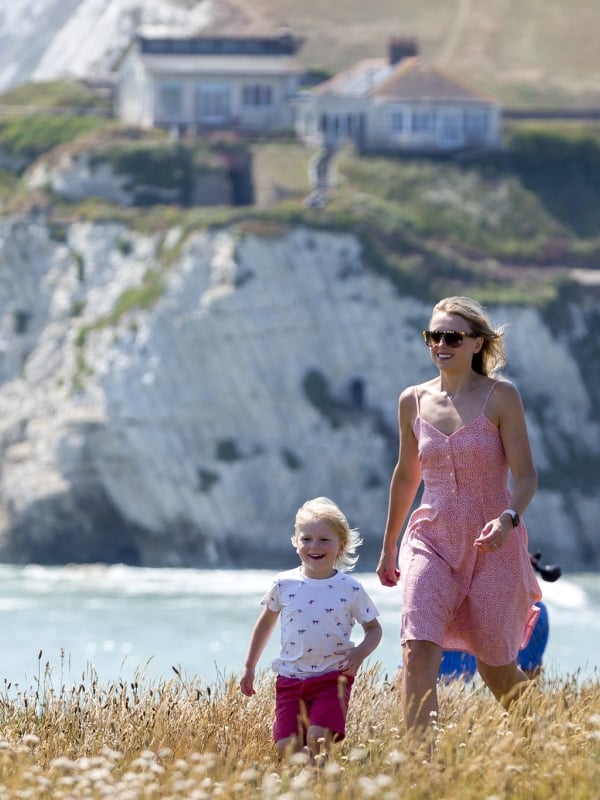
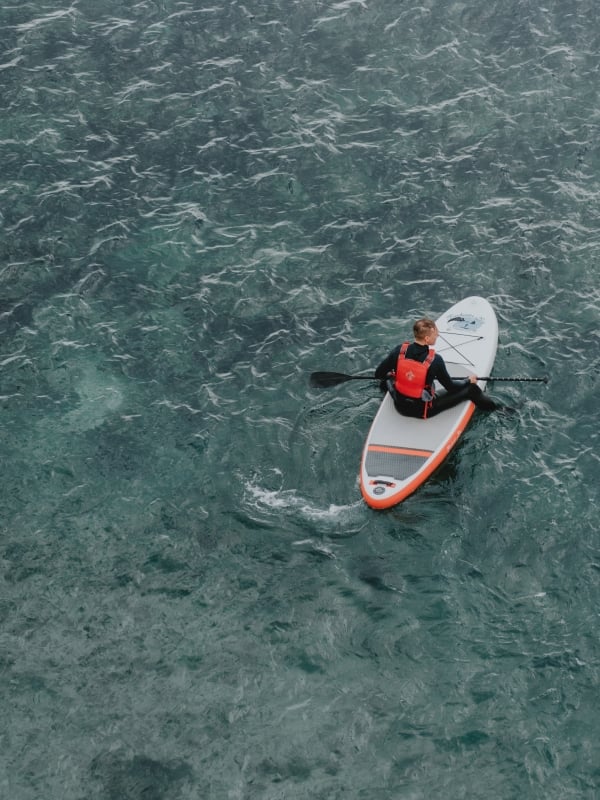
Soak up the Isle of Wight’s abundant natural beauty, take to the water on a paddleboard or kayaking adventure, or explore the island on foot or by bicycle.

places to Stay
Find the perfect place to stay with accommodation options to suit all budgets, styles, and group sizes - find your home away from home on the Isle of Wight.

Offers
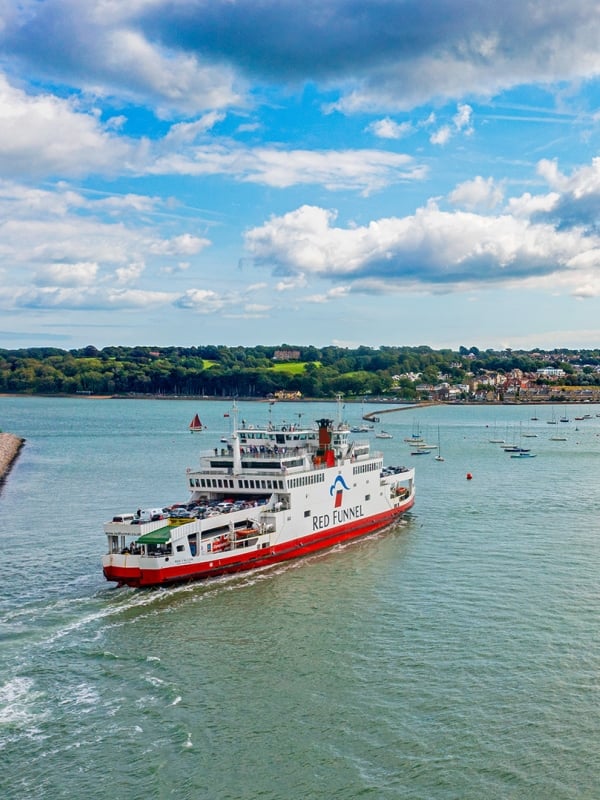
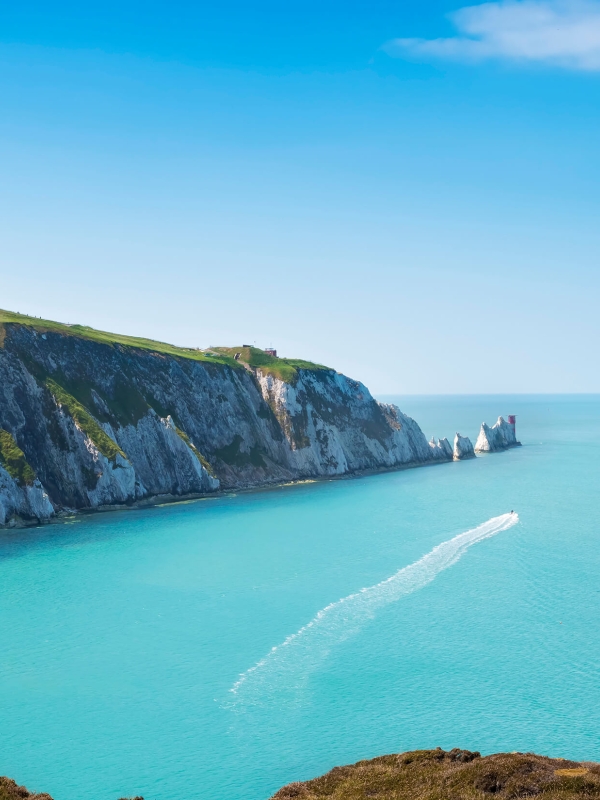
Plan unforgettable days out at Island attractions and SAVE on entry prices when you book our ferry and attraction package. Visit the iconic Needles Attraction, or meet the newest bear residents, Benji & Balu at the Wildheart Animal Sanctuary.
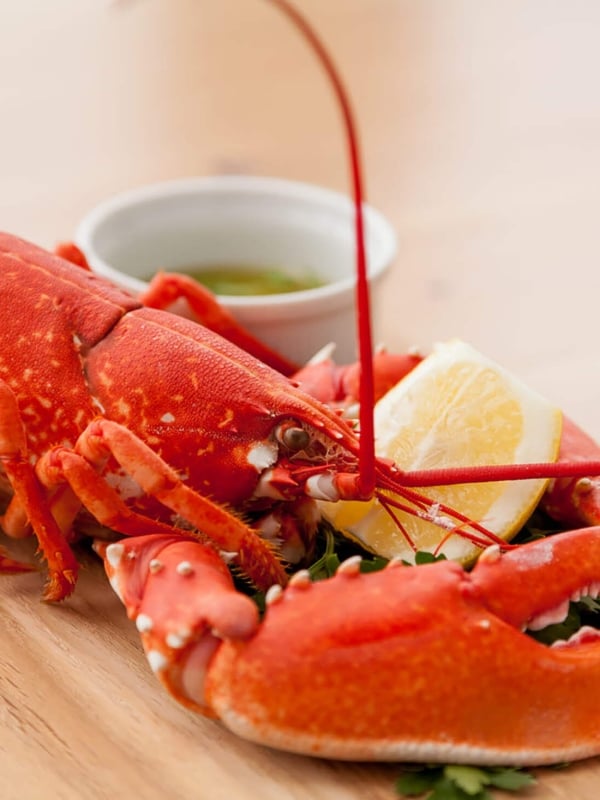
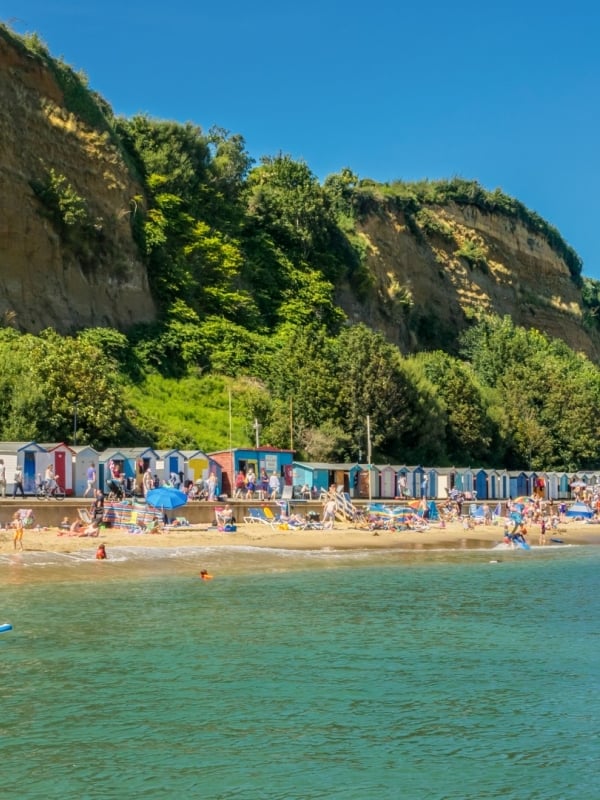
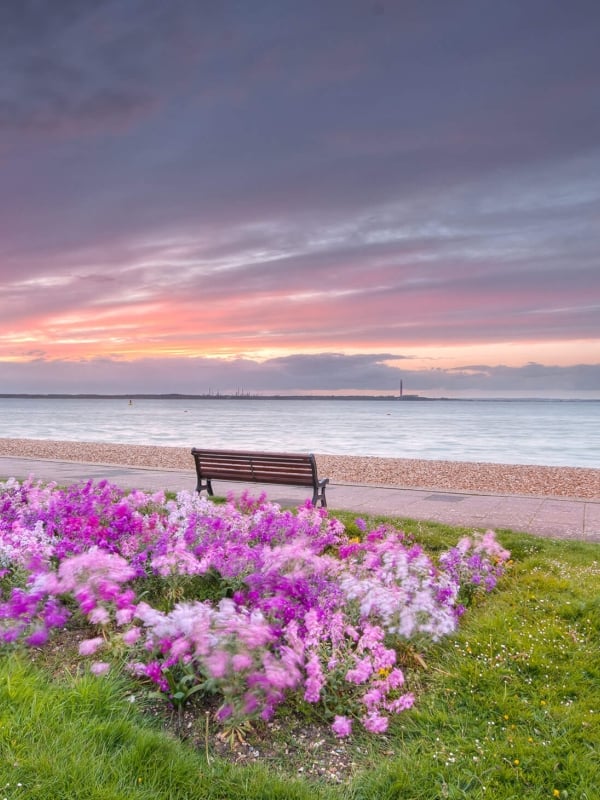
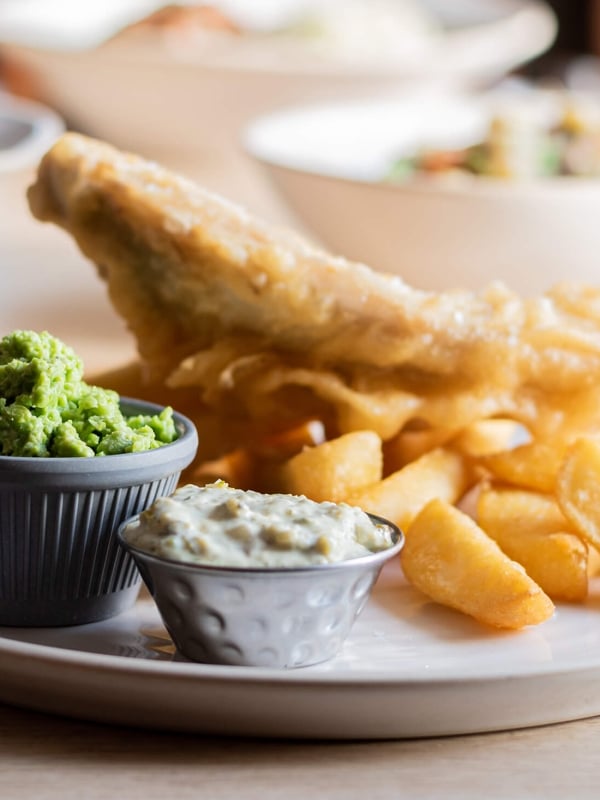
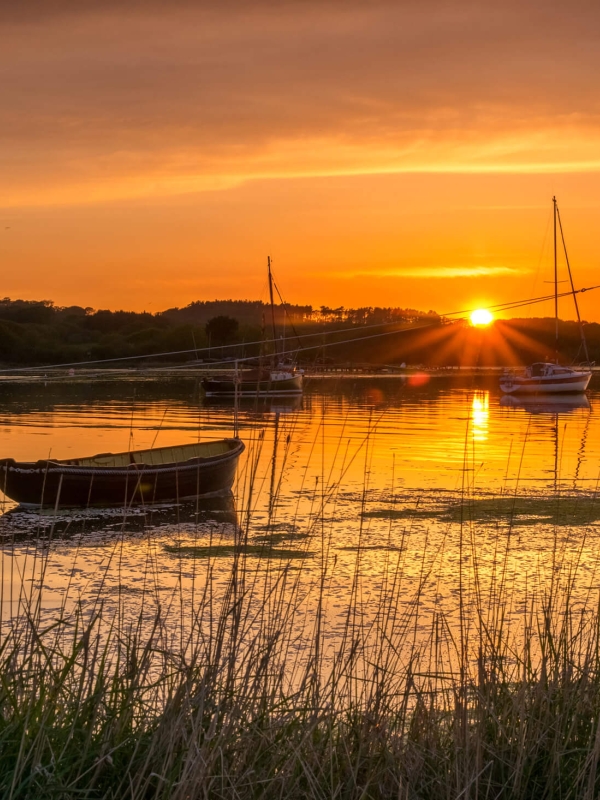
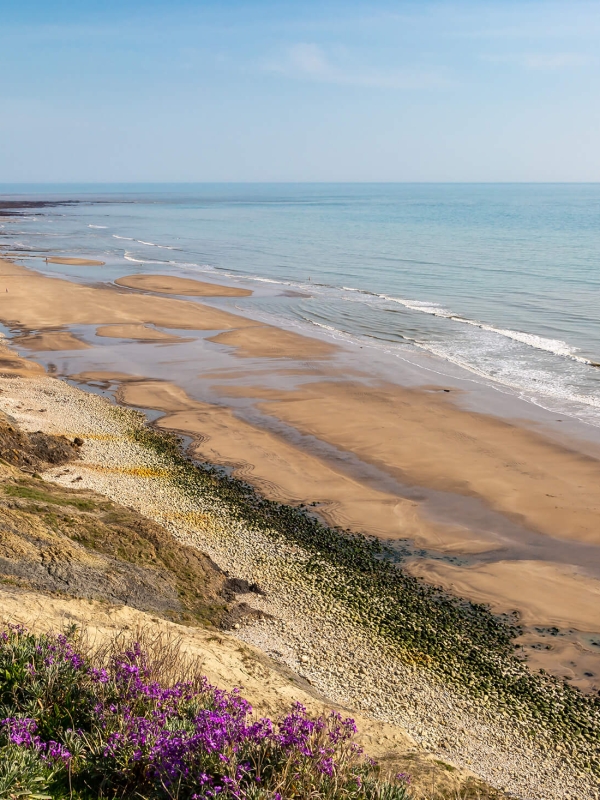
Blessed with more sunshine hours than almost anywhere in the UK – and bordered with 57 miles of coastline – the Island is a playground for water sports enthusiasts, sailors, and beach lovers alike. Its quaint villages, country pubs, and renowned restaurants are the perfect spots to fuel up for adventure or unwind after a day of exploring.
Stay & Save
Save 25% off ferry travel when you book your accommodation and ferry together
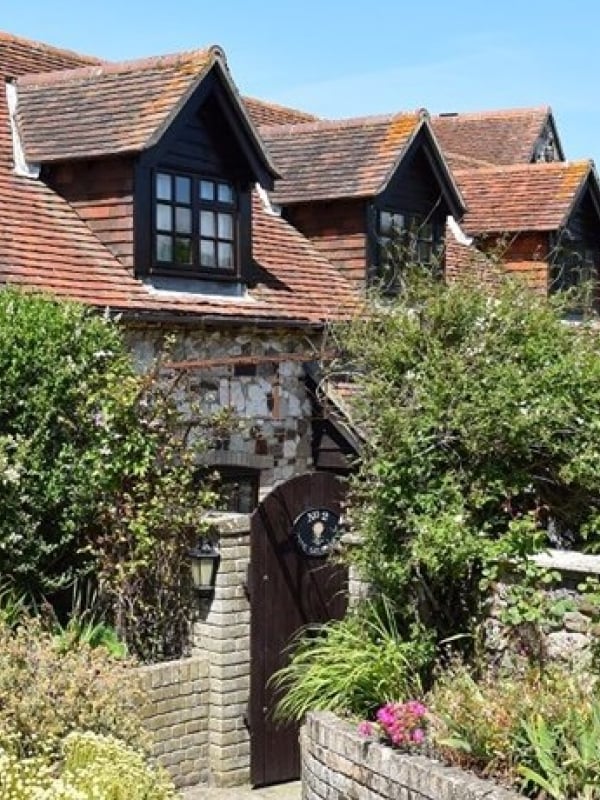
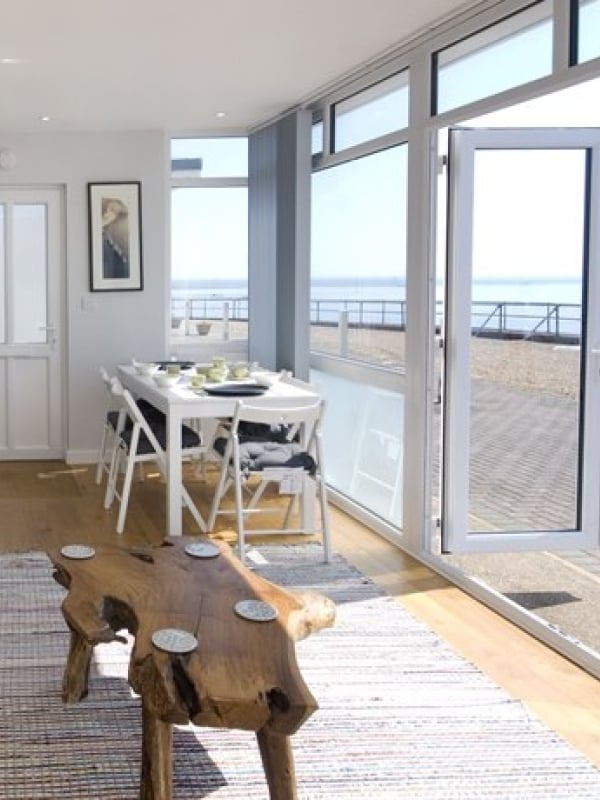
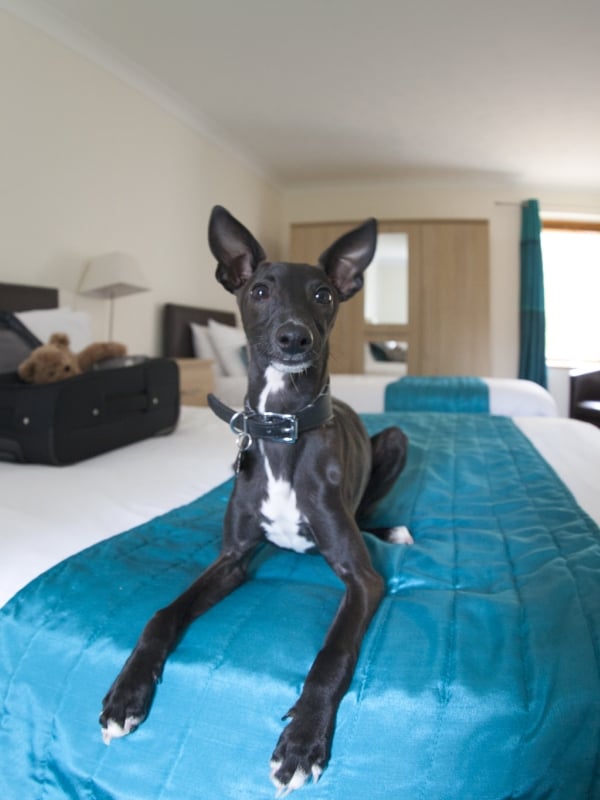
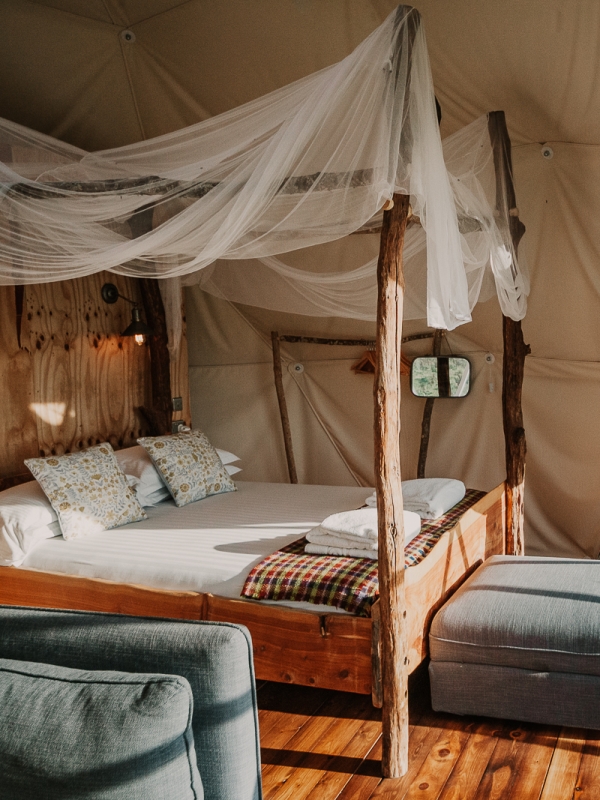
We've got a great range of places to stay that suit all travel styles and budgets. Choose from charming hotels, cosy cottages, quaint B&Bs, or the great family facilities offered at our holiday parks and campsites.





island destinations

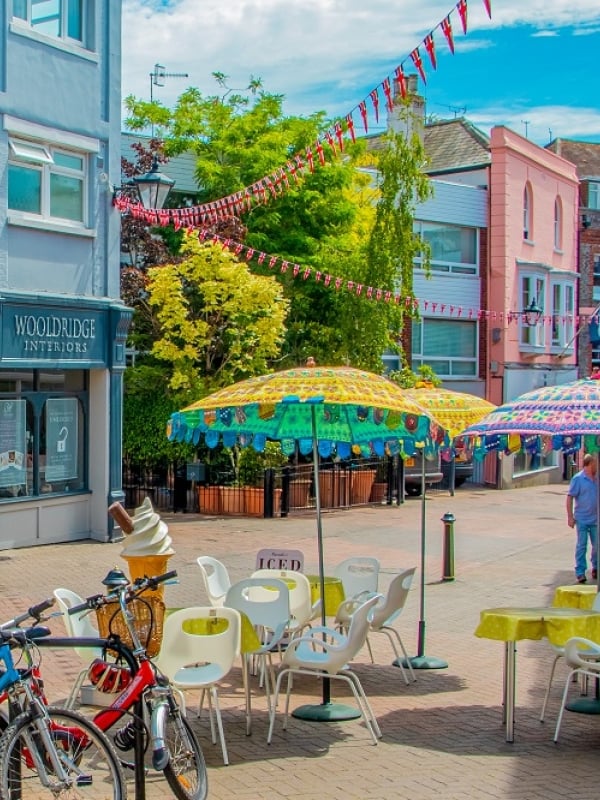
Ventnor
Known for it's Mediterranean-like microclimate
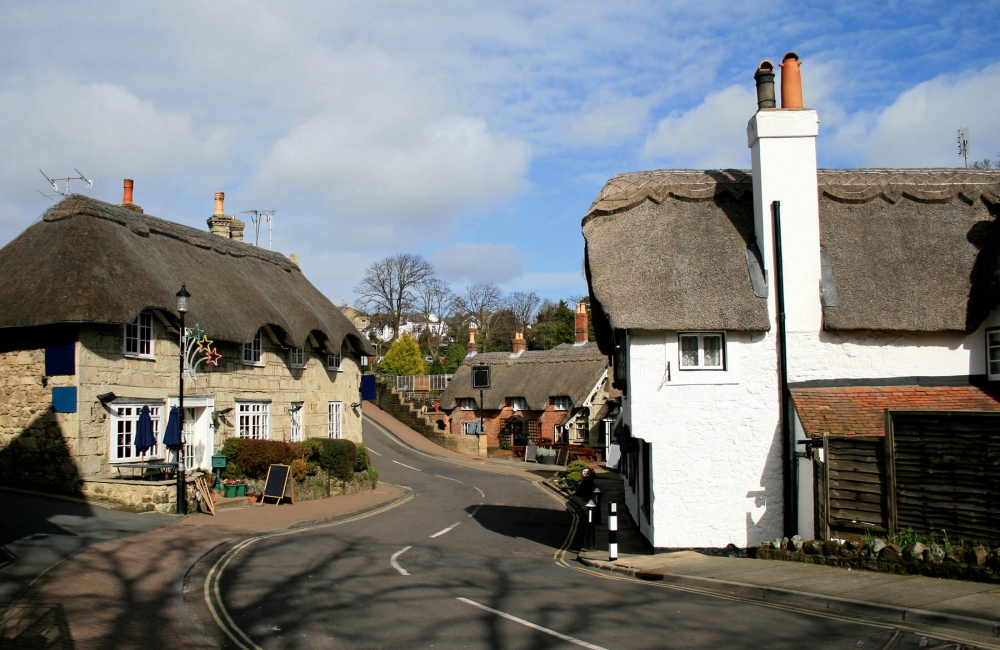
shanklin
The sunniest town in the UK

Bembridge
One of the UK's largest villages

cowes
Home to one of the world's oldest & largest sailing regatta
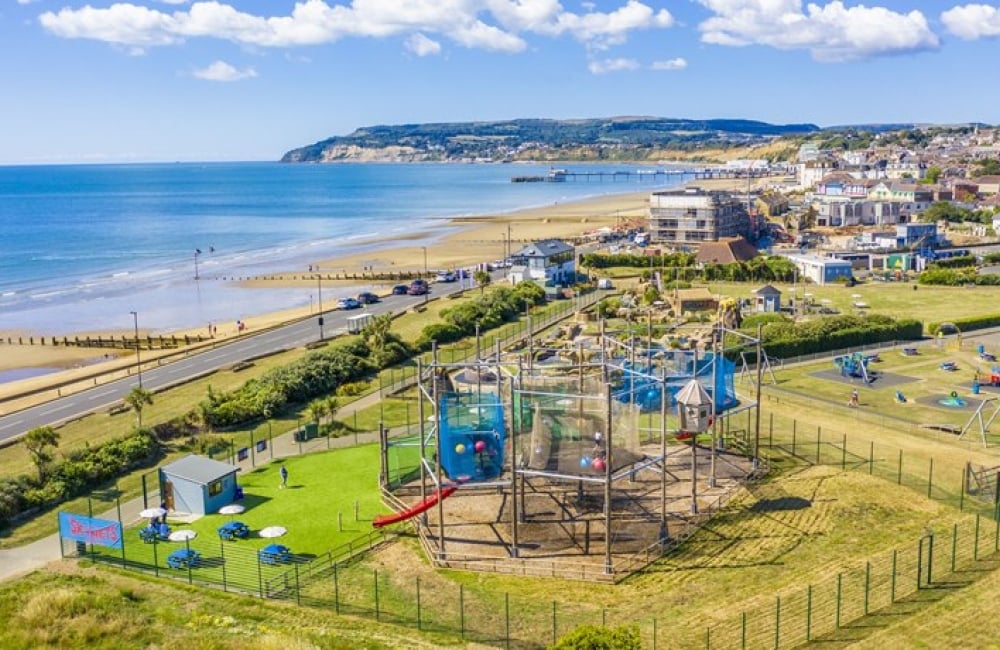
sandown
Known for it's sandy beach and traditional pier
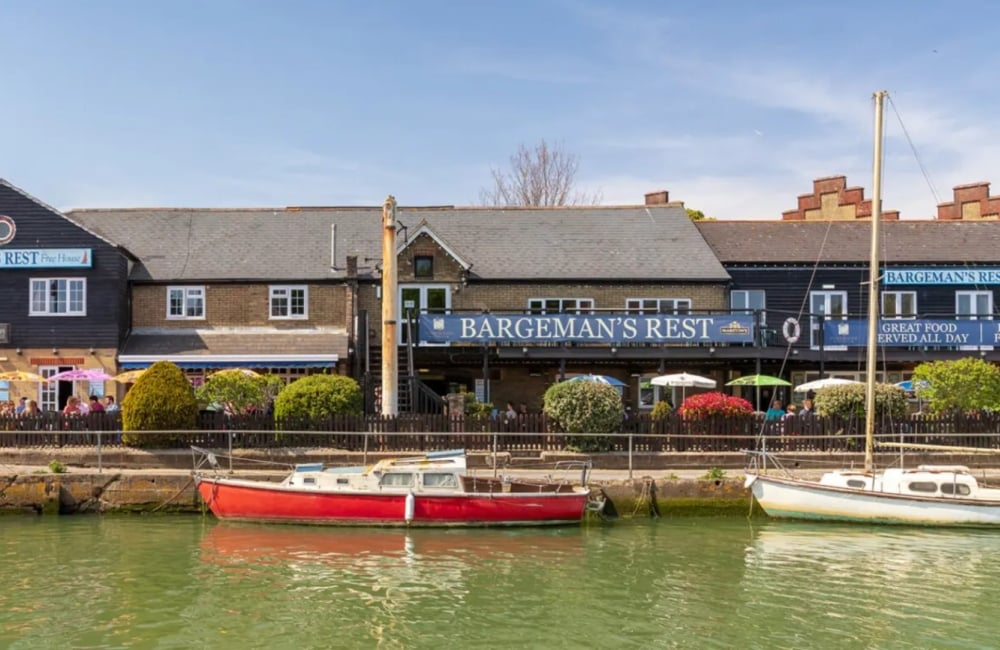
Newport
The county town at the heart of the Island

Read our Isle of Wight Guide
Our Isle of Wight travel guide covers a good selection of things to do, places to eat and visit during your time on the Island, as well as the towns and villages you will come across during your visit. This guide can help you plan your way around and might even inspire you when you're looking for the ideal places to stay. Look out for insider tips from locals, dog-friendly guides, foodie recommendations, days out itineraries and loads more...
Explore the Island
We've carefully curated a selection of helpful blogs, full of local insights and information to help you get the most out for your trip to the Isle of wight.







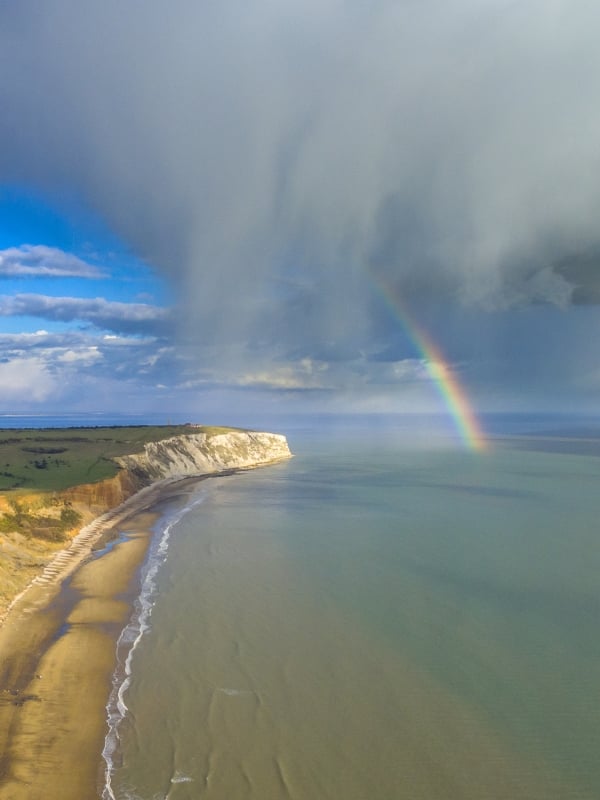
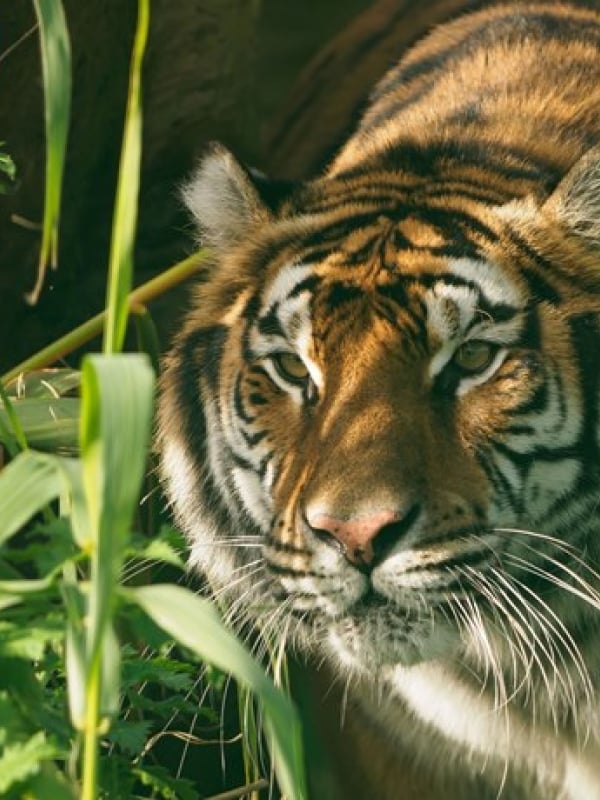
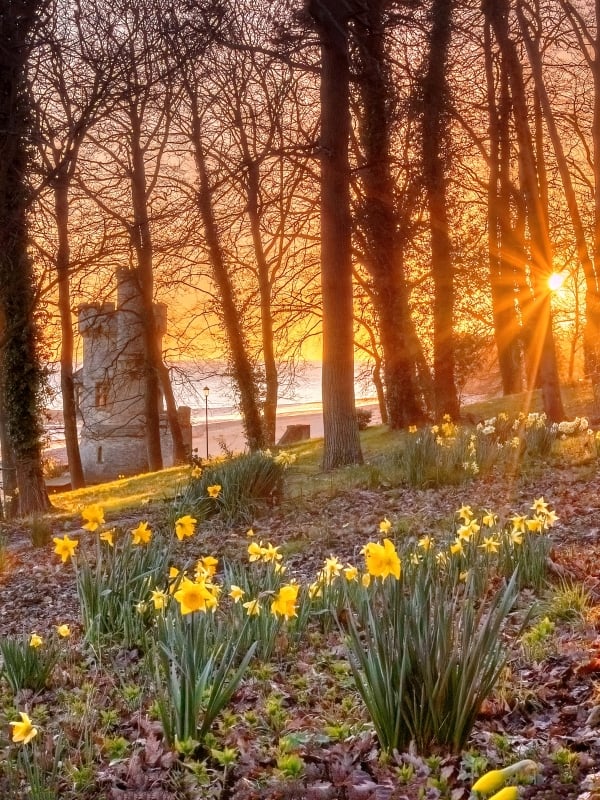
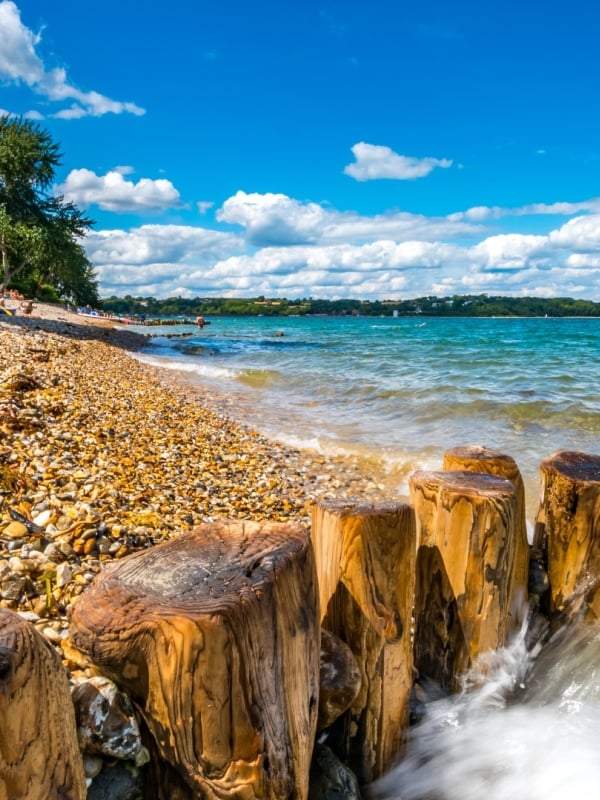



























The Island from the Air
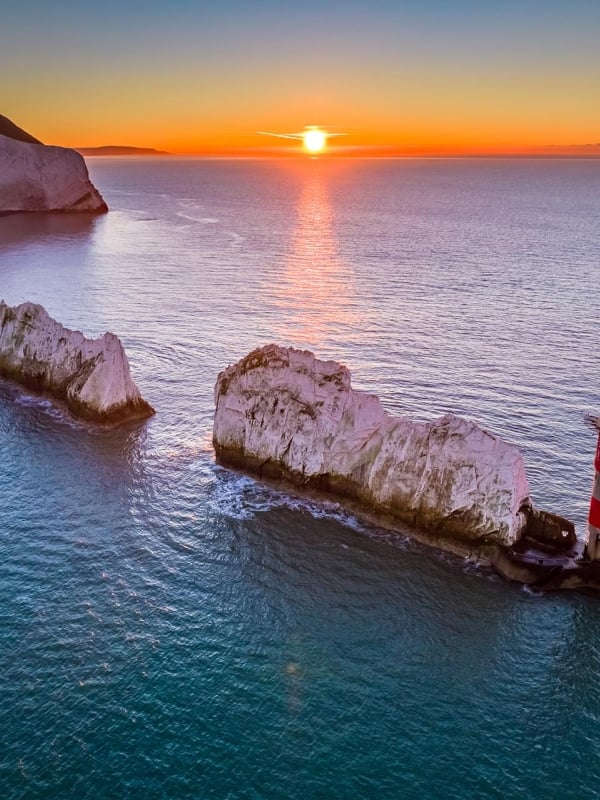
Creating beautiful landscape photography with his drone and camera, Callum O’Connell’s photographic work is easily recognised thanks to his skill for showing well known landmarks from a unique perspective and his vivid colours bringing the Island to life. Better known as “Alfie in the Air”, Callum’s prints are a treasured addition to any wall space, whether you’re local or wanting to take a little piece of the Island home with you.